Determination & Hope After Stroke: Maureen’s Journey
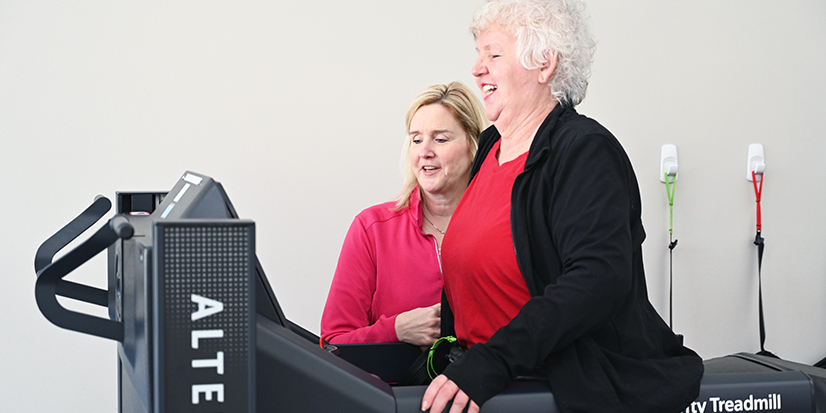
When Maureen McNichols reflects on her life and career, one thing stands above all else - her passion for helping the people and communities who need support the most.
Throughout her career, Maureen dedicated herself to community outreach, public service programs, and support work that positively impacted vulnerable populations across Northeastern Pennsylvania. Whether serving as an assistant grants manager for Lackawanna County, secretary to the mayor of Scranton, working in medical billing and coding for more than 25 years, or even as a hairstylist, every role she embraced centered around connecting with people and improving lives.
Laughing, she describes herself as a “jack of all trades,” but the mission behind her work was always the same.
“I’ve always wanted to help people,” she says.
That lifelong commitment to caring for others changed suddenly on December 12, 2025.
A Life-Changing Moment
Maureen was at the gym using the bench press machine when something felt terribly wrong.
“I couldn’t get up,” she recalls.
She was rushed to the hospital by Life Flight, where doctors discovered she had suffered a hemorrhagic stroke - a type of stroke caused by bleeding in the brain that can damage brain tissue and affect movement, speech, and vision.
One week later, Maureen was transferred to Allied Services Rehab Hospital in Scranton to begin the long road toward recovery.
At the time, Maureen and her husband Patrick - whom she affectionately calls her “best friend” - were overwhelmed by how drastically life had changed.
Maureen had lost all mobility on her left side. She struggled to speak and had experienced major vision loss.
“I was in really rough shape when I first came in,” she says.
But even in those darkest early days of recovery, Maureen says the encouragement she received from her family and Allied Services staff gave her something she desperately needed - hope.
Finding Hope Through Compassion
Before therapy even began, Maureen says the compassion of Allied Services nurses and aides gave her the strength to believe recovery was possible.
“They had me believing I could recover,” she says. “They encouraged me every day, even when I was overwhelmed.”
As soon as she was medically able, Maureen began physical therapy, occupational therapy – including vision therapy - and speech therapy.
The first few weeks were incredibly difficult. She could barely speak or walk, and often needed two people to help support her.
“I didn’t have any muscle memory on my left side,” Maureen says. “I couldn’t even remember how to think about moving, but they got me through it.”
Little by little, progress came. Her speech improved, her mobility returned, and her vision slowly became clearer.
The Next Step Forward
After about five weeks in the rehab hospital, Dr. Wolk, Allied Services Medical Director, determined Maureen was ready for the next stage of rehabilitation: Allied Services Transitional Rehab Unit.
“My first reaction was fear,” she says.
But Maureen’s husband, Patrick remembers that moment differently.
“They were able to see what we couldn’t,” he says. “That she was ready for the next step and needed a push to keep her rehabilitation going in the right direction.”
In Transitional Rehab, Maureen focused heavily on physical and occupational therapy.
What stood out most to her was how the therapy team explained the science behind her recovery in ways she could truly understand.
“They explained how my brain was behaving in a way that made sense to me,” she says.
Therapists also brought Patrick directly into the rehabilitation process, teaching him techniques to safely assist Maureen as she relearned movements and regained independence.
Relearning Everyday Life
For Maureen, some of the most meaningful victories weren’t dramatic milestones - they were everyday moments.
Feeding herself - changing clothes - getting to the restroom independently.
The Allied Services therapists, nurses, and aides helped her rebuild those essential daily skills piece by piece.
“The patience they had with me was unreal,” Maureen says. “I wouldn’t be anywhere near where I’m at now if it wasn’t for Allied.”
After five weeks in Transitional Rehab, Maureen had made enough progress to return home.
Before discharge, Allied Services coordinated home care equipment, including a hospital bed and wheelchair, through its Home Health program. Soon after, home health nurses, physical therapists, and occupational therapists began visiting Maureen at home to continue her recovery journey.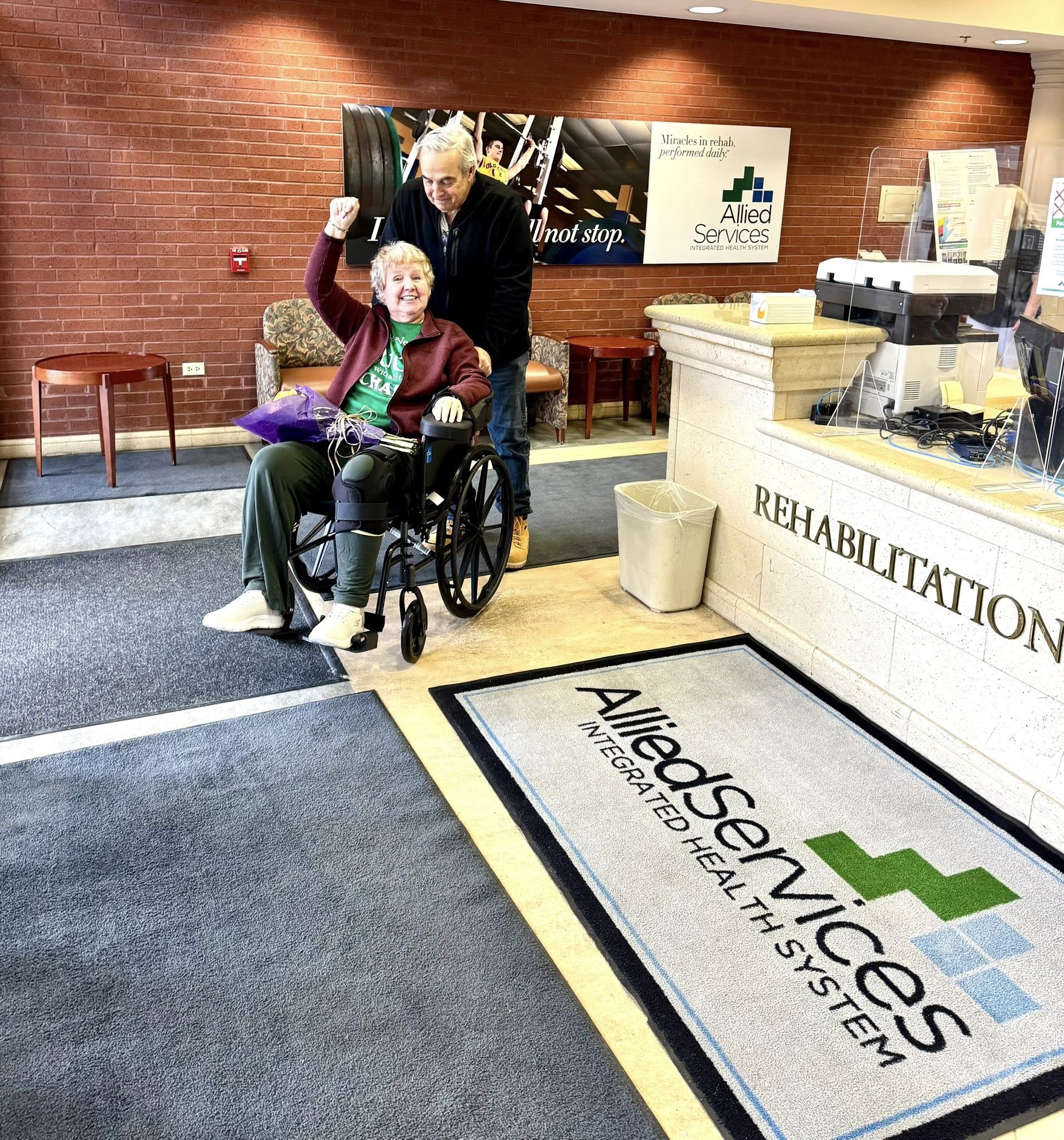
A New Goal: Dancing Again
After approximately three weeks of home health therapy, Maureen was ready for another milestone. She began outpatient therapy at Allied Services Luger Rehab Center in Scranton.
This time, she had a very personal goal motivating her. Maureen wants to dance at her 50th high school reunion in September 2026. As the lead coordinator for the reunion committee, the event carries deep meaning for her.
During her time in physical rehabilitation, she missed the committee meetings tremendously. Returning to reunion planning in April 2026 became another major emotional victory.
Now, every therapy session is helping move her closer to the dance floor.
Determined to Keep Moving Forward
When asked why she believes she has made such remarkable progress after a catastrophic stroke, Maureen doesn’t hesitate.
“I’m committed to my recovery,” she says.
And Patrick agrees. “She’s determined and I’m behind her for support in any way she needs.”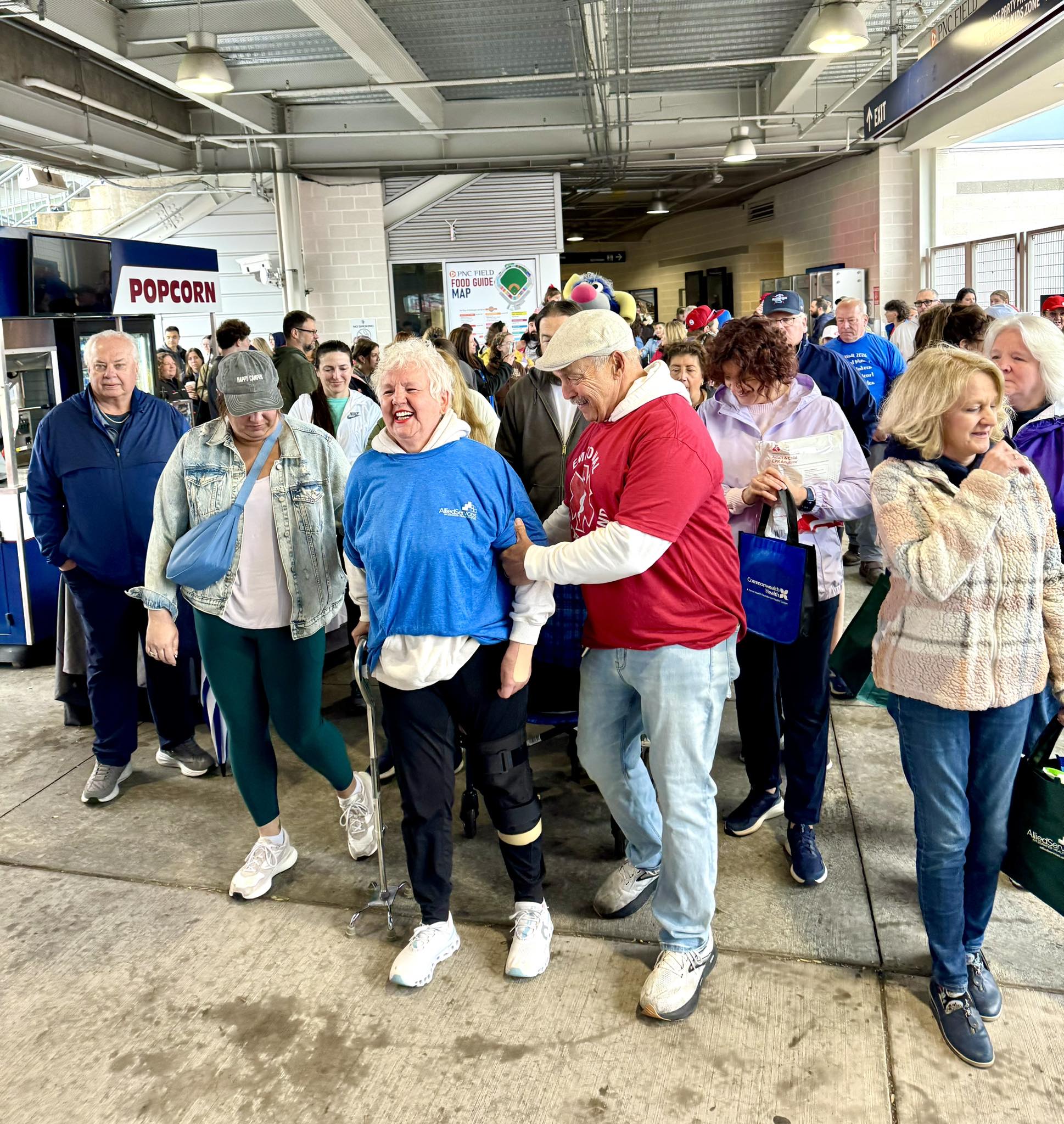
Together, they say they are deeply grateful they chose Allied Services.
“Their priority is always the patient - getting us better and stronger, and I love them all so much,” Maureen says, becoming emotional as she reflects on those early days.
From inpatient rehabilitation to transitional rehab, home health services, and outpatient therapy, they credit the Allied Services teams for guiding them every step of the way.
“The therapists are incredible. The nurses and aides are compassionate. We have nothing but gratitude and appreciation,” Patrick says.
For Maureen, recovery is still ongoing.
But every new step, regained skill, and moment of independence represents something powerful - proof that healing is possible with determination, support, and compassionate care.
Come September 2026, Maureen hopes one more milestone will be waiting for her - a 50th reunion dance.